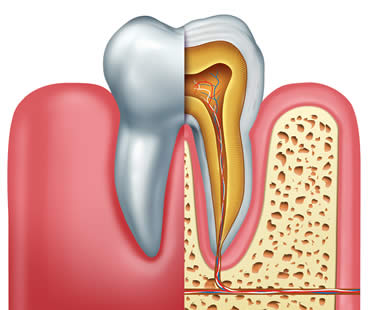
A toothache can make your life miserable. It may involve terrible tooth pain as well as headaches, sleeplessness, and difficulty eating. A trip to the dentist’s office is a must if you want relief. An examination might reveal that you need root canal treatment to save your tooth and eliminate your symptoms.
Severe tooth decay, a faulty crown, repeated tooth procedures or trauma are common causes of tooth damage. These issues can also lead to infection of your tooth’s pulp, which is on the inside of your tooth. Also called endodontic therapy, root canal treatment focuses on getting rid of the damaged tooth pulp. If infection is present, it is also removed. The root canal is thoroughly cleaned and disinfected, and then the area is filled with a special material called gutta-percha. Finally, the tooth is typically restored with a dental crown to provide maximum protection from future damage.
Some of the benefits you can expect from root canal treatment include chewing with normal biting force and sensation, maintaining natural tooth appearance, protecting other teeth from excessive wear, and avoiding a troublesome gap in the smile. In as little as one or two appointments, these benefits can be achieved without a great deal of discomfort. Innovations in technology have made the experience of root canal treatment usually no more painful or difficult than simply getting a dental filling. Once root canal treatment is complete, the tooth can last a lifetime with regular checkups and proper oral hygiene.
We look forward to seeing you in our Meriden dental office

Most of the time, the idea of dentures brings to mind elderly people who are missing a mouthful of teeth. The truth is that dentures are not just for old folks, but for people of all ages who have lost teeth for some reason. Gum disease, tooth decay, and trauma from an accident are all common reasons for tooth loss. There is no need to suffer through life with gaps in your smile, when you can opt for dentures to restore both appearance and function.
The main reasons that many people consider getting dentures include:
- Eating – your teeth help you to chew and eat food. Dentures serve the same purpose, allowing you to eat a normal diet without having to stick only to soft foods or liquids.
- Speaking – when the gaps in your smile have been filled, your ability to speak more clearly and easily is improved.
- Smiling – replacing missing teeth gives you back your self-confidence to smile and laugh again. You will be proud of your new smile and be willing to display it more often. Also, your cheeks will have a fuller look and your appearance may look younger.
When you get dentures, expect that it may take some time to get used to them. They may feel strange at first, and you should be patient while you learn to talk and eat with them. Time will help you adjust to the dentures, but if discomfort lingers you should visit your dentist to make sure the fit is correct and no adjustments are necessary.
We look forward to seeing you in our Meriden dental office

Proper dental care and oral health should start early in life. Because children’s needs and dental procedures are different than those of adults, it’s important to find a family dental practice that can meet the needs of even the youngest members of your family. Your child’s first dental checkup should take place before the age of one, as soon as the first tooth has erupted. Some of the pediatric dental care options to look for in a family dental practice include:
- Child specific dental health exams and risk assessment
- Preventative oral care including cleanings, sealants, and fluoride treatments
- Care for dental trauma such as fractured, displaced or knocked-out teeth
- Treatment of dental cavities and defects
- Identification and treatment of gum inflammation and disease
- Early assessment, treatment, and recommendations for misaligned teeth or an improper bite
Along with the proper pediatric training, it’s essential that your family dentist is equipped to make your child feel comfortable and relaxed at dental visits. Many practices offer child-friendly amenities such as game rooms, videos, and prizes and rewards for completing a successful visit. Ask your family dentist if they allow parents to accompany children in the treatment room, as this will put both you and your child at ease.
To ensure a lifetime of excellent oral health, your child should visit the dentist every six months for dental cleanings and checkups. Children are not born with a fear of the dentist, and with the right family dental practice they should never have to develop that fear. Take the time to find a family dental practice that understands the special attention required to treat children so your entire family can enjoy visiting the dentist.
If you live in the Meriden area contact us today

Millions of root canal treatments are performed every year, and it is an effective and safe way to save a damaged tooth. Unlike its reputation over the years, modern dentistry allows this procedure to be practically painless and to provide relief from symptoms right away.
Anatomy
The first thing to understand is the anatomy of the tooth. Under the hard enamel on the outside of the tooth and the dentin below that, the interior of a tooth contains pulp. It houses the nerves, blood vessels, and connective tissues that all nourish the tooth. This allows it to grow properly and contributes to good oral health. After the tooth is fully developed, the tooth can get its nourishment from surrounding tissues and the pulp is not as necessary.
Necessity
The pulp can become infected, inflamed, or damaged by problems like decay, injury, repeated dental procedures, or a bad crown. If the damaged pulp is not treated, an abscess can develop or severe pain can result. Often, root canal treatment is the only way to save the tooth instead of having to extract it. Dentists advise that saving a tooth is almost always a better option, providing the most natural appearance, efficient function, and protection of oral health.
Procedure
Many patients report that root canal treatment is not much different for them than having a regular filling done. X-rays are taken and a local anesthetic is administered. Once numb, a dental dam is placed to protect the area during the procedure. Then the pulp is removed, the area is thoroughly cleaned, and then it is filled with special material for this purpose. The tooth is sealed for protection, and finally a crown is placed on top to protect the tooth. Most patients are able to return to normal activities immediately following treatment, and the procedure is permanent in most cases.
If you need a root canal dentist in Meriden, contact our office today.
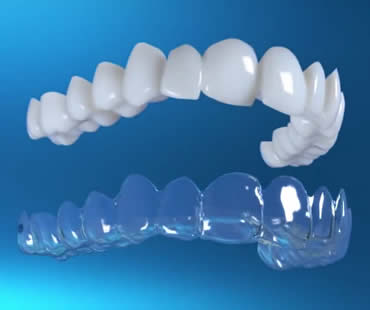
If you are considering straightening your teeth, you may be looking into various orthodontic options. One treatment for correcting a crooked or overcrowded smile is Invisalign. Invisalign uses a clear set of BPA-free plastic trays called aligners to straighten teeth without the metal and brackets associated with traditional braces. The following are some common questions you may have about Invisalign:
Who is a good candidate for Invisalign? Patients who have healthy teeth and gums are usually good candidates for Invisalign. Adults, teens, and older children whose teeth, including their second molars, have grown in completely can be considered for treatment with Invisalign.
What kinds of problems can Invisalign correct? Invisalign corrects the same dental problems as traditional braces, including simple to severe overcrowding, gaps, crossbite, overbite, and underbite.
How long does Invisalign treatment take to complete? Most Invisalign cases are completed within one year. However, the exact amount of treatment time is dependent on your individual situation.
How long do I have to wear the aligners each day? You will remove the Invisalign aligners when you eat, drink, or clean your teeth. Otherwise, the aligners should be worn for a recommended 22 hours per day to achieve the desired results.
Are there food restrictions with Invisalign? Because you remove the aligners when you eat, there are no limitations to the types of food you can eat while undergoing treatment.
Are retainers necessary with Invisalign? Once you have completed treatment, you will need to wear retainers while you sleep to ensure your teeth stay perfectly straight.
To determine if Invisalign is a viable option for your specific orthodontic needs, you should schedule a consultation with an Invisalign trained dental professional where you can ask additional questions specific to your case. No matter what stage of your life, Invisalign offers a comfortable, state-of-the-art approach to beautifying and improving the quality of your smile.
We treat patients from Meriden and the surrounding area
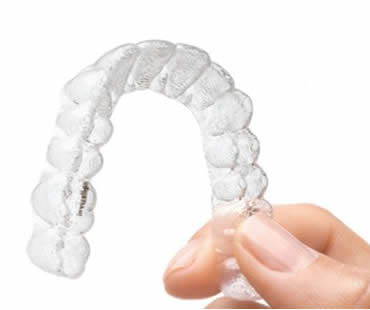
Not every smile is perfect, so many people want to improve their look through orthodontics. It’s not just a rite of passage for youth anymore; people of all ages pursue new smiles these days. A modern technology that is stylish and hassle-free has been developed called Invisalign. It provides great results without impacting your life as much as traditional braces.
The first step is choosing a dental professional who offers Invisalign treatment, since not every provider is trained and qualified in this approach. Once you find the right professional, the dentist will assess your mouth and determine if you’re a good candidate. With the exception of severe misalignment, most people can benefit from Invisalign.
To get started, your dentist will take teeth impressions and X-rays to create a 3D image of your mouth. That helps determine your treatment plan, how long you can expect the process to last, and allow you to see your teeth at each stage. Being able to see the final outcome is a great advantage of Invisalign.
Clear plastic aligners will be customized for your teeth. They are hardly noticeable in your smile and won’t cause irritation or discomfort. You’ll be instructed to wear them for 22 hours a day for a couple of weeks as they gently move your teeth into better positions, after which you’ll switch to a new set of aligners in the series. The trays are removed for cleaning and eating, making them much simpler than traditional braces. Your normal oral hygiene routine isn’t impacted, as you can continue brushing and flossing as usual without the appliance in your mouth. Many patients also rave about the fact that their diets do not need to change; there are no restrictions with Invisalign.
A checkup with your dentist is needed every 4-6 weeks to monitor your progress. It usually takes from 12-18 months to complete Invisalign treatment. With proper wear, you’ll end up with a beautiful smile without having to suffer through the common complaints of orthodontics.
We treat patients from Meriden and the surrounding area


